Abortion, Unplanned
Pregnancy and Abortion Information
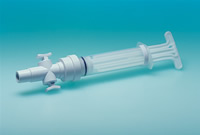
Vacuum
Aspiration and Dilation and Curettage; This abortion procedure,
also known as D&A or suction aspiration, uses gentle suction to
remove all of the pregnancy tissue. A vacuum aspiration abortion
procedure can be performed in one visit and is an option for
women until 10 weeks have passed since their last menstrual
period. It is nearly 100% effective.
Abortion procedure
There are three
main types of medical abortion. By far the most common procedure
involves insertion of a cannula through a woman's cervix and
removing the fetus and placenta using vacuum aspiration. This
procedure generally is used in the first trimester (i.e., the
first three months after conception) and accounts for about 90%
of all medical abortions.
In this procedure, which takes about 5 to 10 minutes and can be
performed in a physician's office, the woman lies on an
examining table with her feet in stirrups. A local anesthetic or
a general anesthetic may be used . Opening the cervix may be
painful, so local or general anesthesia is typically needed.
The first step in the procedure involves the insertion of a
speculum to hold the vaginal walls apart. Tools are used to
grasp the cervix after it has been prepared with Betadine and
possibly numbed. The cannula is carefully inserted through the
cervix into your uterus. The actual evacuation is performed by
applying suction to the syringe or via the machine. The sucking
action of the machine, similar to the device used by dentists to
remove excess saliva during dental procedures, removes the
contents of the uterus.
The
procedure takes a few minutes to complete. There is a small
amount of blood loss.
Abortion pills are illegal in istanbul, ( cytotec,
mifepristone,misoprostol)

After the Abortion Procedure
Activity: You may be referred for ongoing counseling and support after an abortion. You may eat a regular diet and resume normal activity. Avoid heavy activity or lifting for a few days. Do not use tampons, douche, or have sexual intercourse for one week.
Medications: You may be given medication for pain, but these are usually not necessary. Your doctor may prescribe medications for painful contractions and cramping of your uterus, but with a first-trimester procedure, none are usually needed. İf you have pain, your doctor may suggest acetaminophen (such as Tyleno)l or ibuprofen (such as Advil) and similar pain relievers.
After Abortion İn İstanbul Mitera Clinic
Follow-up
Abortion does not require a stay in the hospital unless you have a medical condition that requires you to be monitored or if you have a complication with the surgical procedure.
Complications of Abortion
Heavy
Bleeding
-
Some bleeding after abortion is normal. However, if the
cervix is torn or the uterus is punctured, there is a risk of
severe bleeding known as hemorrhaging.
Infection
–
Infection can develop from the
insertion of medical instruments into the uterus, or from fetal
parts that are mistakenly left inside (known as an incomplete
abortion). A pelvic infection may lead to persistent fever over
several days and extended hospitalization. It can also cause
scarring of the pelvic organs.
Incomplete
Abortion
- Some fetal parts may be mistakenly left inside after the
abortion. Bleeding and infection may result.
Damage to
the Cervix
- The cervix may be cut, torn, or damaged by abortion
instruments. This can cause excessive bleeding that requires
surgical repair.
Scarring of
the Uterine Lining
–
Suction tubing, curettes, and other abortion instruments
may cause permanent scarring of the uterine lining.
Perforation
of the Uterus
- The uterus may be punctured or torn by abortion
instruments. The risk of this complication increases with the
length of the pregnancy.
If you have these symptoms, you should see your health care provider:
Severe pain
Fever of 100.4°F or higher
Bleeding through more than four or five pads per hour or more
than 12 pads in 24 hours
You may be
given pain relievers during the first 24 hours after surgery,
such as acetaminophen (Tylenol). After that time you can switch
to a pain reliever such as ibuprofen (Advil)
You should make sure you have been given emergency contact
numbers and instructions regarding where to go if you have an
emergency and cannot reach your health care provider. You may
bleed very little, if at all. The most common bleeding pattern
is bleeding the day of the procedure, then not much until the
fifth day after surgery, when heavier cramping and clotting
occurs.
You should not use tampons for five days and should not have
intercourse until bleeding has stopped for a week or you have
been cleared by your doctor at your appointment after the
surgery.
Unplanned Pregnancy and Abortion price, fees Information from Option Line.
Best abortion hospitals in istanbul, please contact with us.
Attention!!
Be Careful;No
name doctors and fake clinics that you might stumble upon on the
internet could be a serious risk to your health.
To contact english speaking certified gynecologist
Dr.Nevra and talk to her personally to get information on all
examinations and procedures message on call
+90 532 3540553
on Whatsapp.
Always make contact with your doctor, no matter the speciality, before
travelling in for examination and procedures.
We are legal and safe abortion clinic in İstanbul for foreigners and
licensed by the Ministry of Health.
Why Abortion İn İstanbul Turkey?

Abortion İstanbul Turkey, Gynecologist İstanbul
Turkey, women's health center Mitera Gynecologist
Dr.Nevra Topalismailoglu ,
Mitera Abortion Clinic
İstanbul,
Best Legal
abortion clinic in İstanbul ;
How To Contact
Us:

abortion in istanbul|abortion
cost|
abortion pills|
abortion
clinics hospitals|
after abortion|
abortion procedure|
legal abortion
|
Hymen Repair